
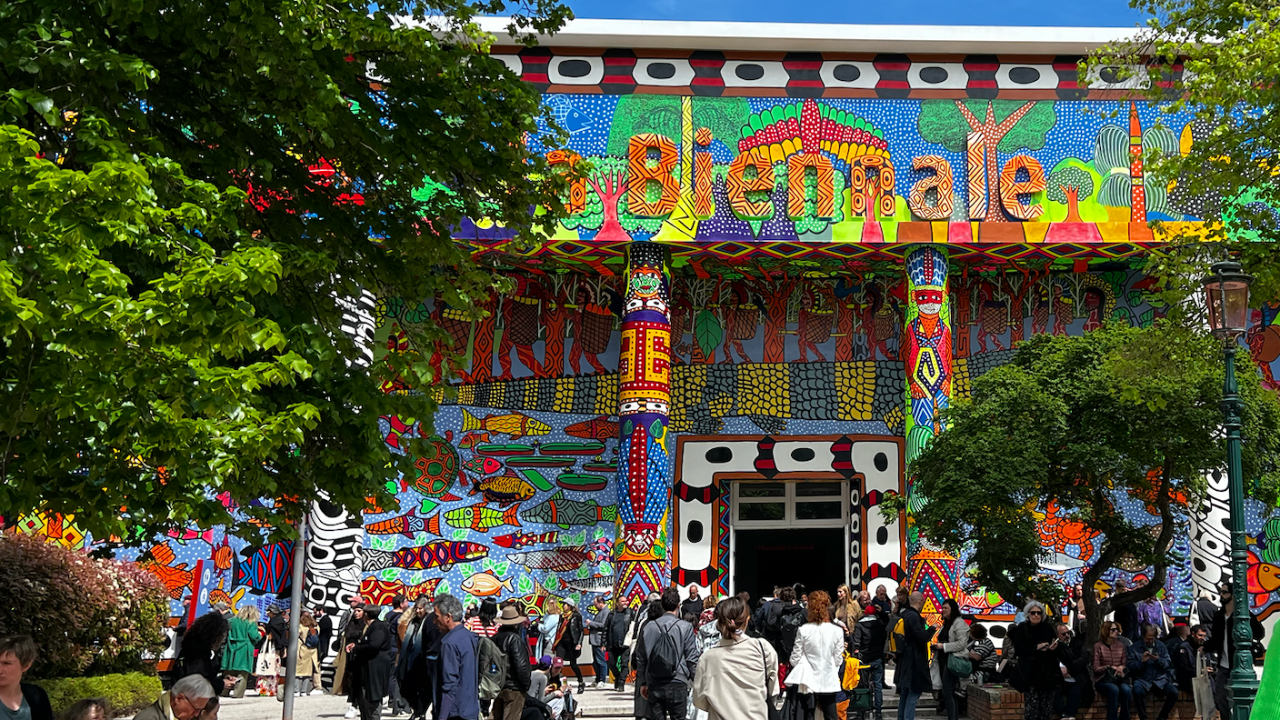
Venice Biennale Guide: How to Plan, What to See & Where to Start
Feb 11, 2026A few years ago, it was finally time to attend my very first Venice Biennale. I remember the feeling clearly: I was excited, but also confused.
After all, I was about to discover one of the world’s oldest and most prestigious art exhibitions — unlike anything else.
Before going, my head was full of questions:
How do I “read” and navigate the Biennale — and what should one actually take away from the experience?
How do I plan the visit? What should I see and what should I prioritise?
And then all the practical things: where to stay and eat, which ticket to buy, how many days to set aside, and what else to combine the trip with.
When I searched online for practical visit guides around the Biennale, I could find almost nothing. There was plenty of coverage of individual artworks and pavilions, but nothing that gave a broad picture of what the Biennale really is — and how to best explore it.
Today, after having attended several Biennales, I would like to share my best know-how on how to get the most out of your experience — a set of practical and useful tips that I wish I had before my first visit.
So let’s look at it properly, once and for all.
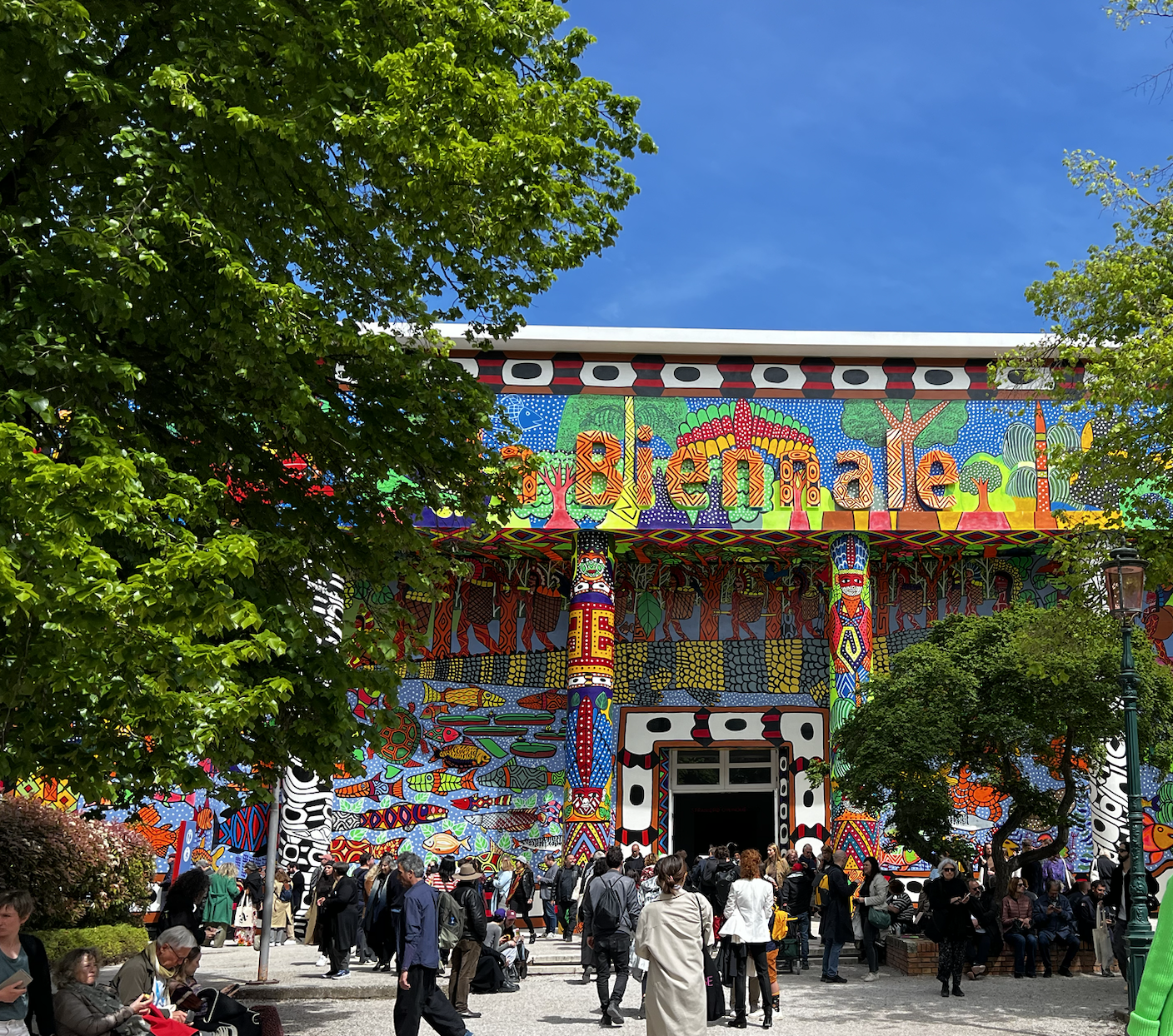
What is Venice Biennale d’Arte?
First things first — what is the Venice Biennale?
The Venice Biennale was founded in 1895 and is held every second year. It is the oldest art festival of its kind. Today, it is an international art event with official country representation, awards and prizes. It is extremely prestigious to participate in the Biennale — whether as an artist, curator, or in any other role involved in its creation.
The major part of the Biennale consists of national pavilions, where exhibitions are curated by each country’s official cultural committees. The second part consists of exhibitions and installations curated by the Biennale’s appointed artistic director. These curated exhibitions are presented in the two main sites — Giardini and Arsenale — as well as across the city.
Each edition of the Biennale has a new overarching theme, and the artworks — both contemporary and historical — respond to that theme in different ways. Expect to encounter cutting-edge contemporary art alongside rediscovered or renowned artists from the 19th and 20th centuries. You will experience all possible forms of art, from painting, sculpture and prints to film, digital art, performance and large-scale installations.
With all the countries represented, the Biennale quite literally offers a chance to experience the world in one place. No other exhibition offers this structure, scale and global diversity.
So how do you grasp it all? Here are my top tips.
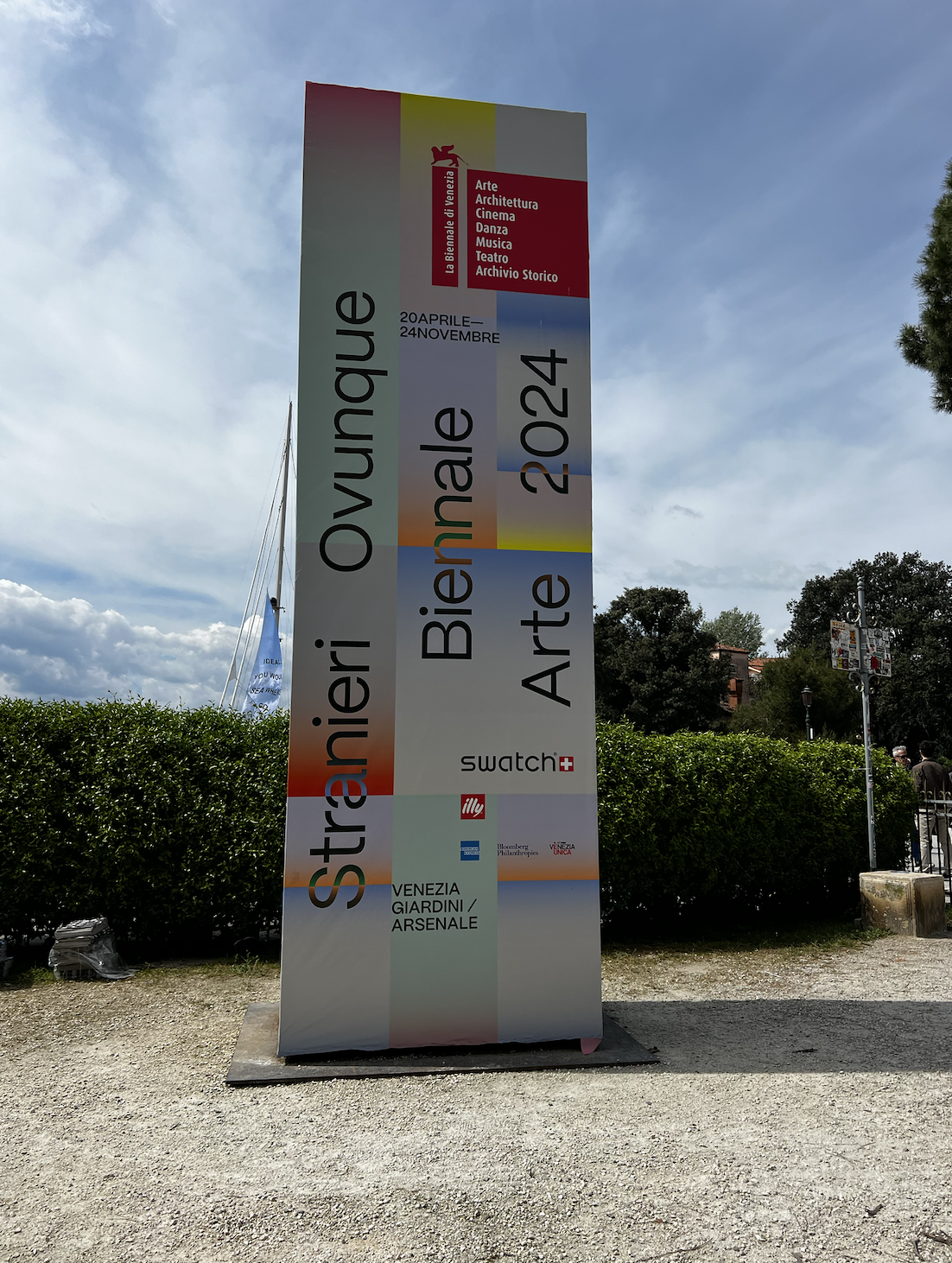
1. Overall planning: give the Biennale the time it deserves
The Venice Biennale is far more than an exhibition or a museum visit. It is a city-wide experience — cultural, physical, intellectual and emotional.
Venice is one of the most beautiful cities in the world — but the Biennale alone is worth the entire trip.
If you want to combine the Biennale with exploring Venice — its history, churches, shopping and atmosphere — you realistically need at least one week.
That said, my strongest recommendation is this: treat the Venice Biennale as its own trip, and set aside at least 3–4 full days to immerse yourself in the world of art.
Get a 3-day multiple-entry ticket. It will give you the time you need at each location and allow you to truly absorb the impressions.
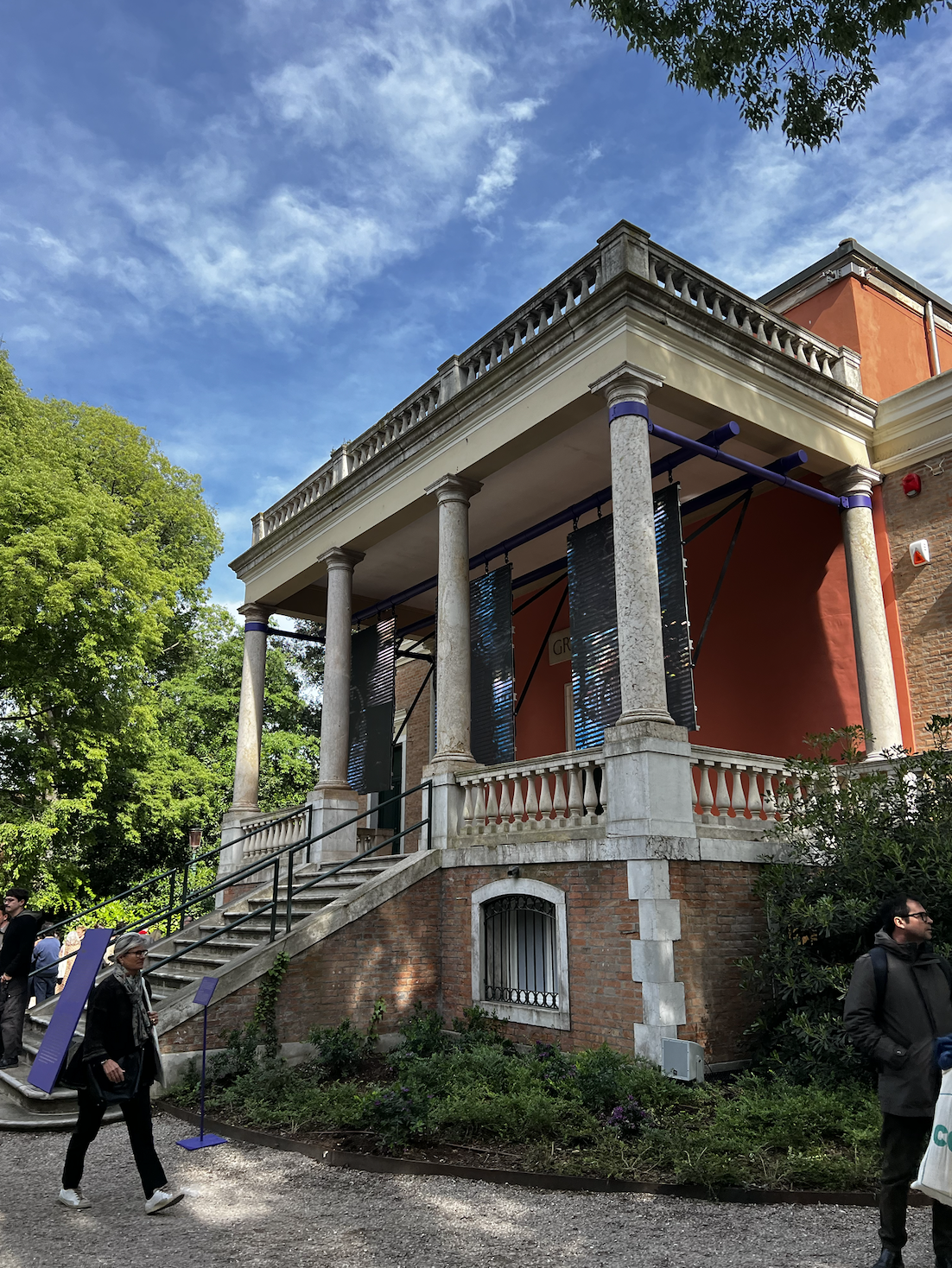
The UK Pavilion in Giardini
2. Understanding the setup: how the Biennale is structured
The Venice Biennale is not one location. It unfolds across several layers.
Giardini della Biennale
Giardini is a beautiful park that houses historic national pavilions constructed by participating countries from 1895 onwards. The pavilions themselves are an experience. Their architecture reflects different eras, ideologies and aesthetics, and walking through Giardini feels like travelling through history, cultures and time.
Each pavilion presents a country’s official exhibition. Giardini feels like a vast open-air museum with numerous halls and exhibitions, so be sure to take your time and allow for breaks.
Alongside the national pavilions, you will find the Central Pavilion, curated by the Biennale itself.
My advice is to arrive right at opening time and plan to spend an entire day here. Keep in mind that you may need to queue to enter the most talked-about pavilions — and those are the ones you definitely don’t want to miss. Start with the park and the national pavilions before heading to the central exhibition.
Arsenale
Arsenale is the second main site of the Biennale, located about a 15-minute walk from Giardini. It also deserves a full day.
Here, the concept is similar to Giardini, with national representations and a central curated exhibition. The main difference lies in the architecture. The national pavilions are housed inside the historic Arsenale buildings — a complex of former shipyards and armories, reminders of the power of medieval Venice.
Countries shown here are typically those that joined the Biennale later and do not have permanent pavilion buildings in Giardini.
Pavilions, exhibitions and installations across the city
The Biennale does not end at its main sites. As more countries join, many national pavilions are now housed across the entire city of Venice — in palaces, old churches and historic apartments.
You can see all external pavilions on the Biennale’s official map. I highly recommend using it for planning.
These external pavilions are usually free to enter, meaning you can visit them on days when you are not going to Giardini or Arsenale — or after your ticket has expired.
You don’t need to see them all — and you shouldn’t try to. Planning is key, which brings me to my next point.
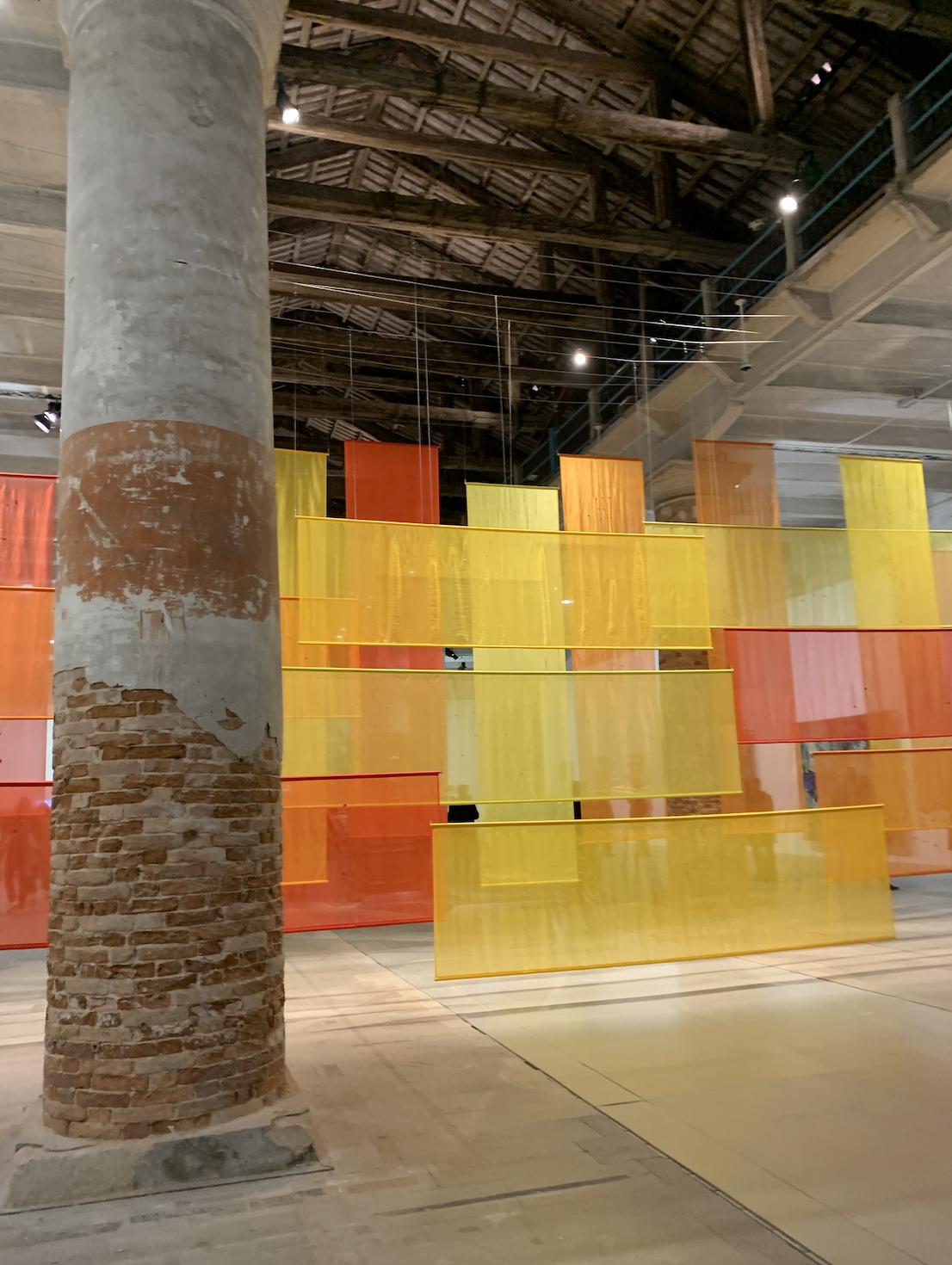
Inside Arsenale's Central Pavilion
3. Planning what to see: curate your own Biennale
When planning your Biennale experience combine critical consensus with personal curiosity.
Each year, some pavilions stand out and become critics’ favourites. Before arriving, do some research on “must-see pavilions” for that particular edition, check reviews and create your own wish list.
Start with the top-reviewed pavilions, then add countries or regions you are naturally drawn to. Perhaps you are fascinated by African or Asian contemporary art, or curious about smaller national voices.
Follow that instinct, and you will leave feeling as though you have travelled across continents in just a few days.
It is best to have a clear idea of what you want to see before arrival. Venice is all about logistics, and time optimisation is essential.
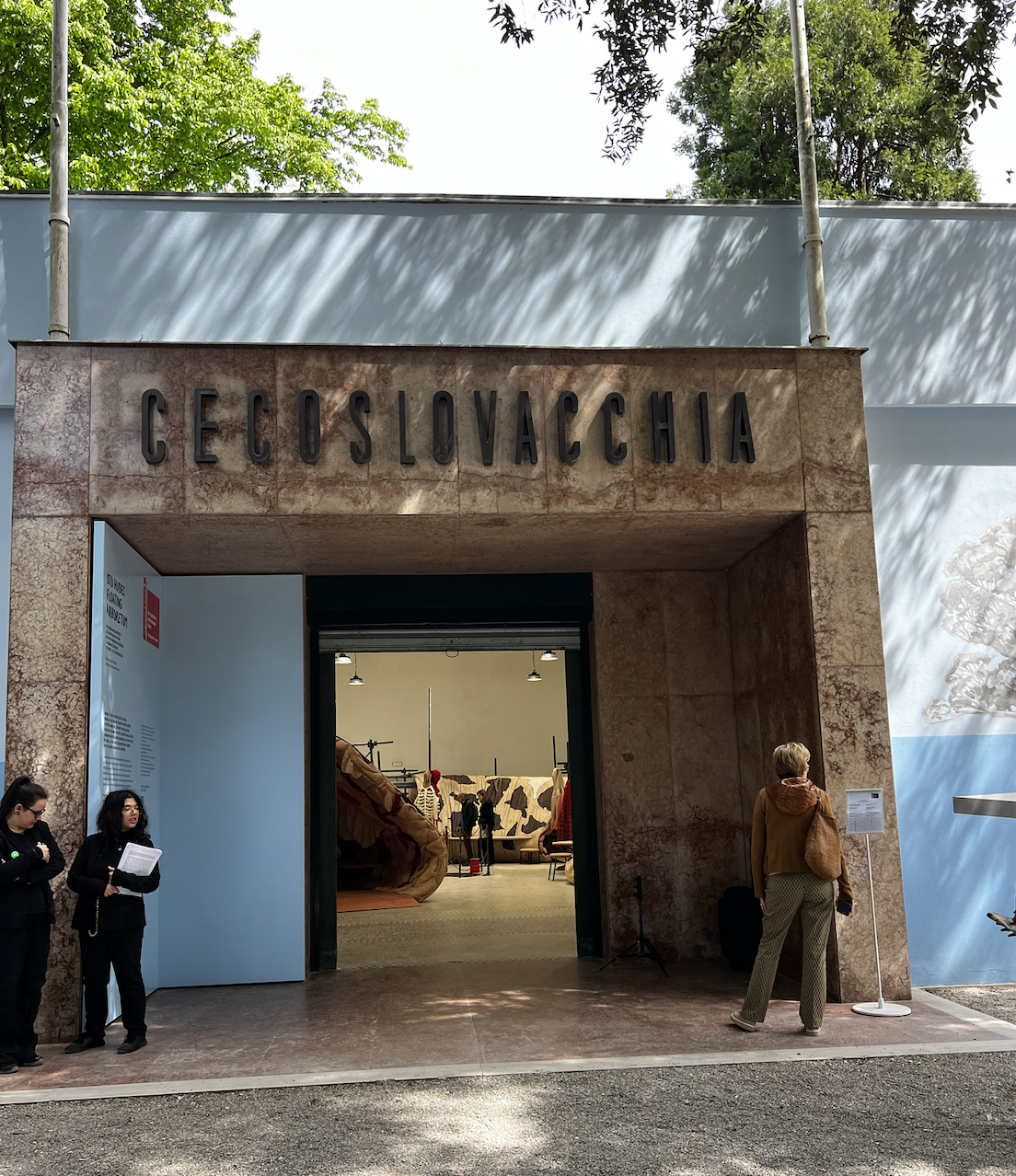
Pavilion of the Check Republic and Slovakia in Giardini
4. The side programme: a city of art
During the Biennale, Venice becomes an unparalleled city of art.
Most of the city’s major museums and private art foundations organise special exhibitions, many of which are once-in-a-lifetime shows.
Look out for:
-
The Pinault Collection at Palazzo Grassi and Punta della Dogana
-
Gallerie dell’Accademia
-
Peggy Guggenheim Collection
-
Temporary exhibitions by leading international galleries
You will find most of the side programme on the Biennale’s official website.
Plan this in advance. Choose a few key exhibitions before arriving so you can manage your time calmly and intentionally.
These shows are often set in extraordinary Venetian interiors, adding a powerful spatial and historical dimension to the experience.
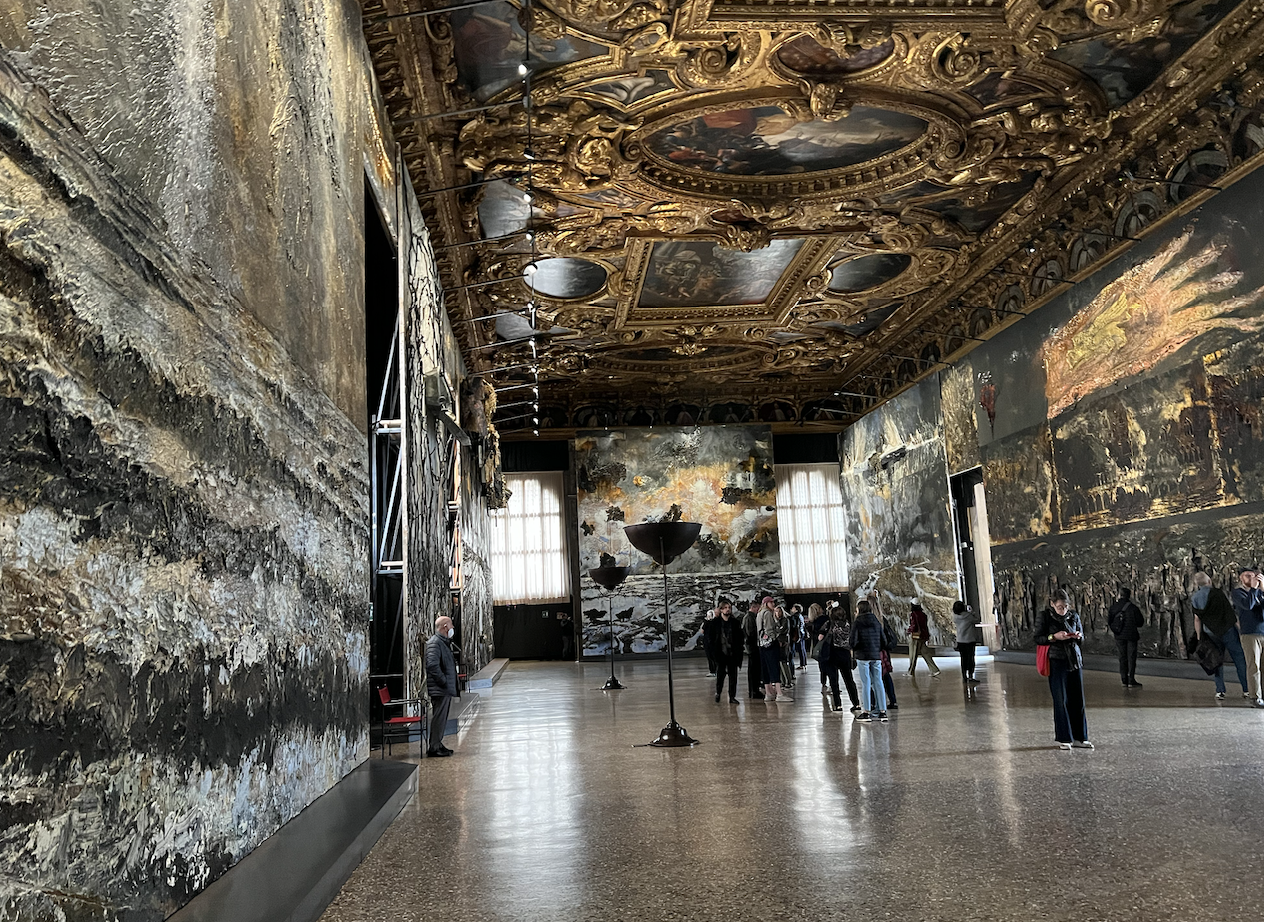
Anselm Kiefer exhibition inside the Doge Palace
5. Where to stay: Mestre or Venice?
Mestre, the mainland part of Venice, offers cheaper accommodation, but staying there is, in my experience, inconvenient. You are dependent on train schedules, need extra travel time, and may feel disconnected from the city’s Biennale rhythm.
My advice is to stay inside Venice itself. Once in Venice, you can walk almost everywhere and reach Giardini and Arsenale within about an hour on foot — or take the vaporetto from anywhere.
Before booking, check walking distances from your accommodation to San Marco Square, Giardini and Arsenale to understand the logistics.
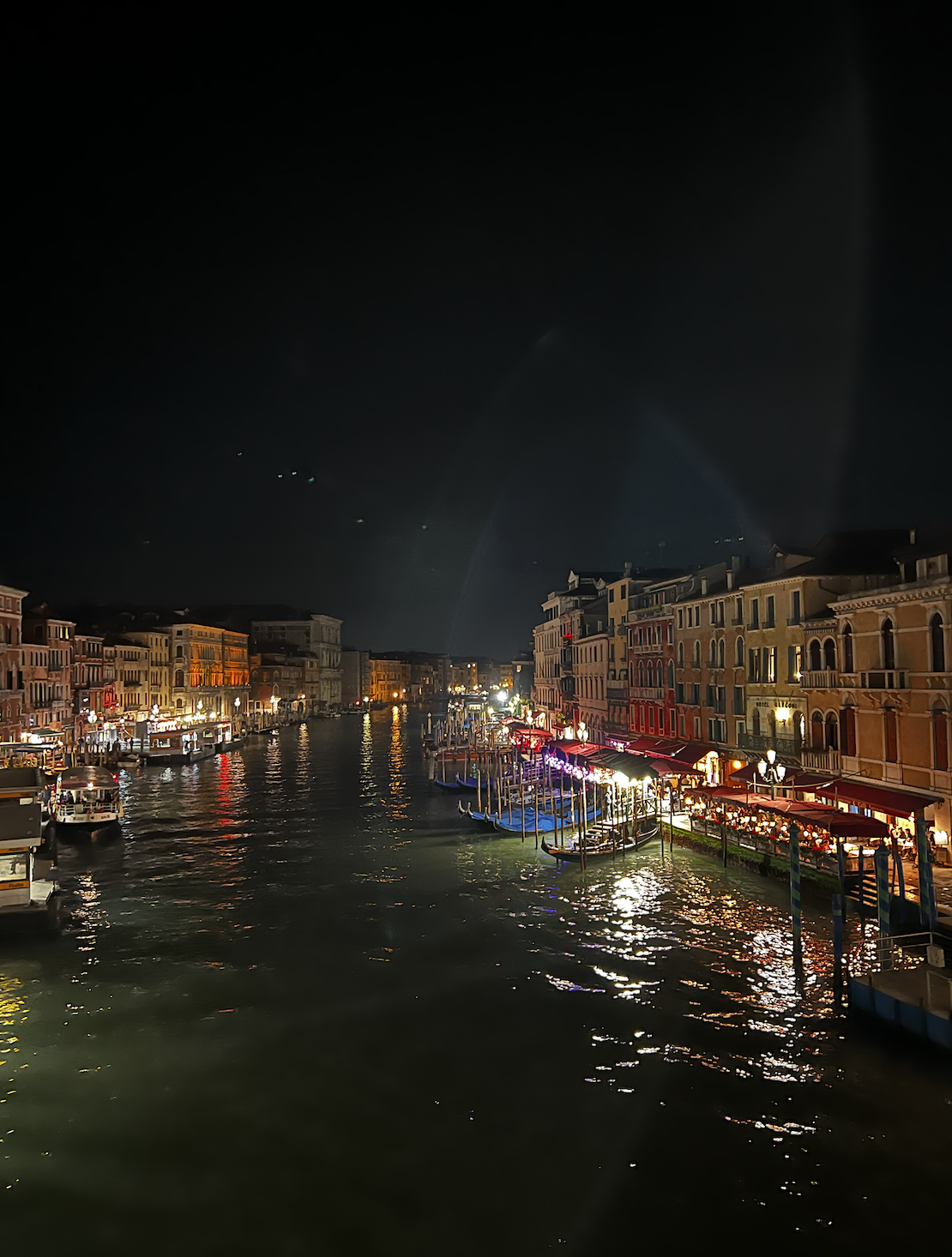
6. Transport: walking first, boats second
Venice is best navigated on foot — so comfortable shoes are a must.
There is also an excellent vaporetto (boat-bus) system. However, it is relatively expensive and slow, as it winds through canals. If you plan to use it frequently, consider purchasing a multi-day ticket, which can be bought upon arrival at the airport.
Boat taxis are efficient but costly.
Gondolas, finally, are purely for the experience — not transport. :)
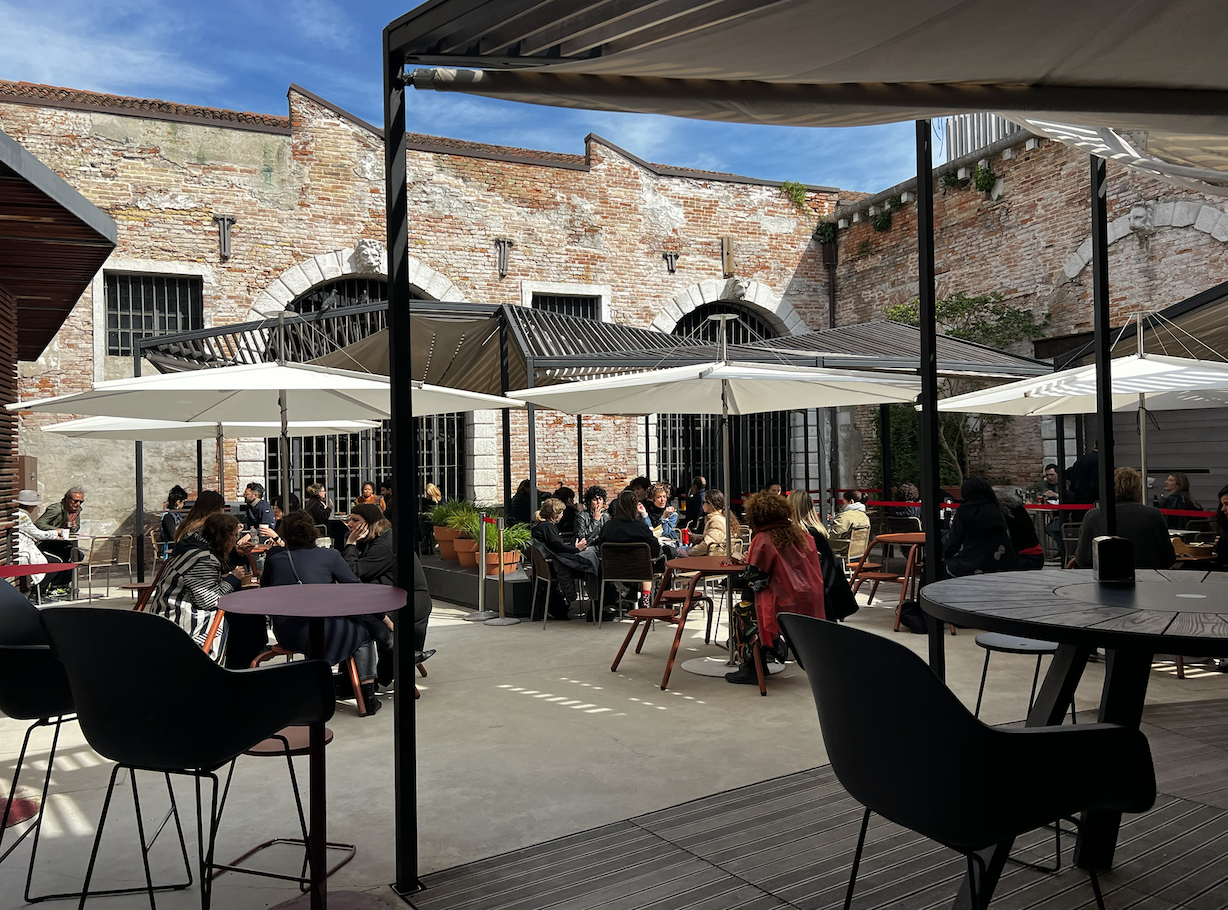
7. Food during the Biennale
If you want to maximise exhibition time, stay inside Giardini or Arsenale for lunch. The in-house cafés are simple, but the food is surprisingly good.
And don’t miss the artisanal Italian gelato in the outdoor areas of the Biennale sites — it is delicious.
Venice is full of restaurants, but if your time is limited, save dining experiences for the evenings. If you enjoy fine dining, do your research and book in advance — you will be rewarded.
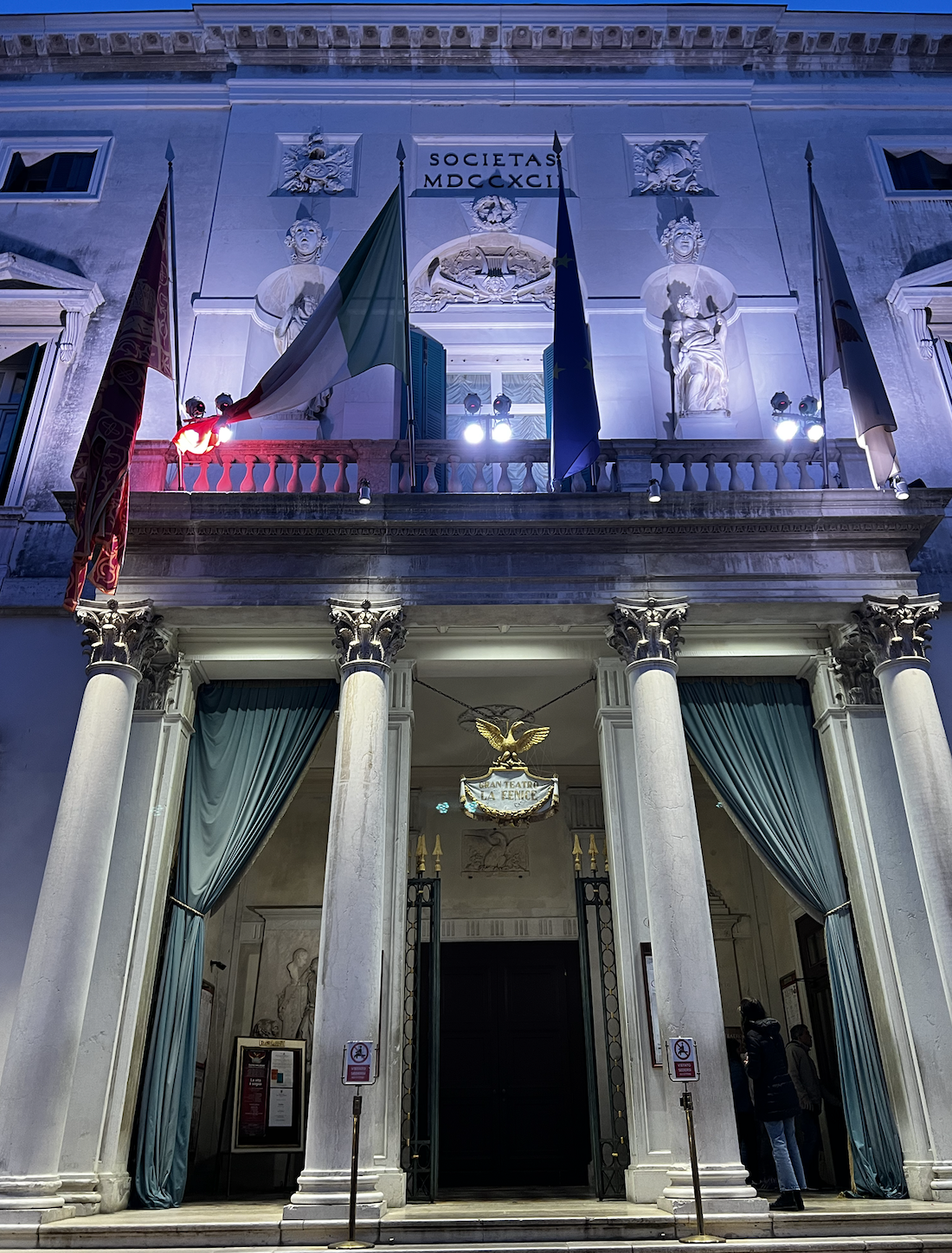
La Fenice Opera
8. What else to combine with your trip
If you want to diversify your Biennale experience, here are a few things I would recommend adding for the best possible stay.
Attend the city’s famous opera at La Fenice — but be sure to book in advance.
Take a gondola ride — yes, it’s expensive, and yes, it’s touristy, and yes — it’s absolutely worth it!
Visit San Marco Basilica, opt for a paid skip-the-line ticket, and get a guide or an audioguide if you can. The place is a true gem.
And simply walk around Venice and explore the different districts.
Spend a day on Murano island and enjoy lunch along the quiet canals.
If you have time, visit some of Venice’s other famous churches:
- San Giorgio Maggiore: A stunning white-façade Palladian church on its own island, offering iconic views over the lagoon.
- Santa Maria Gloriosa dei Frari: A vast Gothic church that acts as a treasure house of art, containing masterpieces by Titian — as well as his tomb.
- Madonna dell’Orto: Known for housing numerous works by Tintoretto, who lived nearby.
- Santa Maria della Salute: A breathtaking 17th-century Baroque basilica crowned by its massive dome.
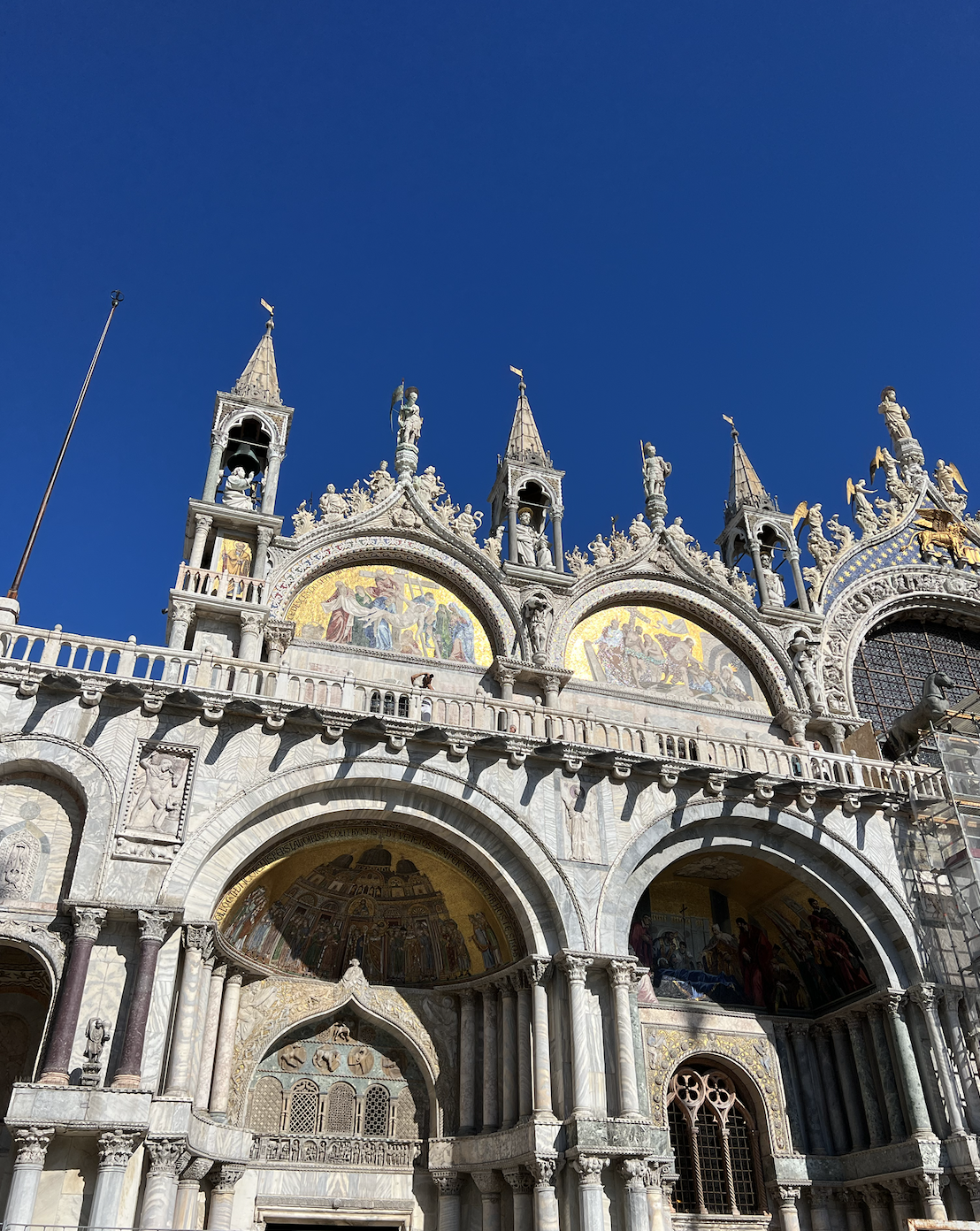
San Marco Basilica
9. Some practical essentials
In Venice, GPS is your best friend if you are on a Biennale mission. While getting lost is part of the city’s charm, following the correct routes from the beginning will save precious time.
Carry a phone charger or a power bank with you at all times. Between photos and navigation, your battery will drain quickly.
Wear comfortable flat shoes. Dress for long days — and dress up at night.
Travel light. Apart from boats along the canals, there is no traditional transport in Venice. You will likely carry your luggage to your hotel unless you arrive by boat taxi and your hotel has its own docking point.
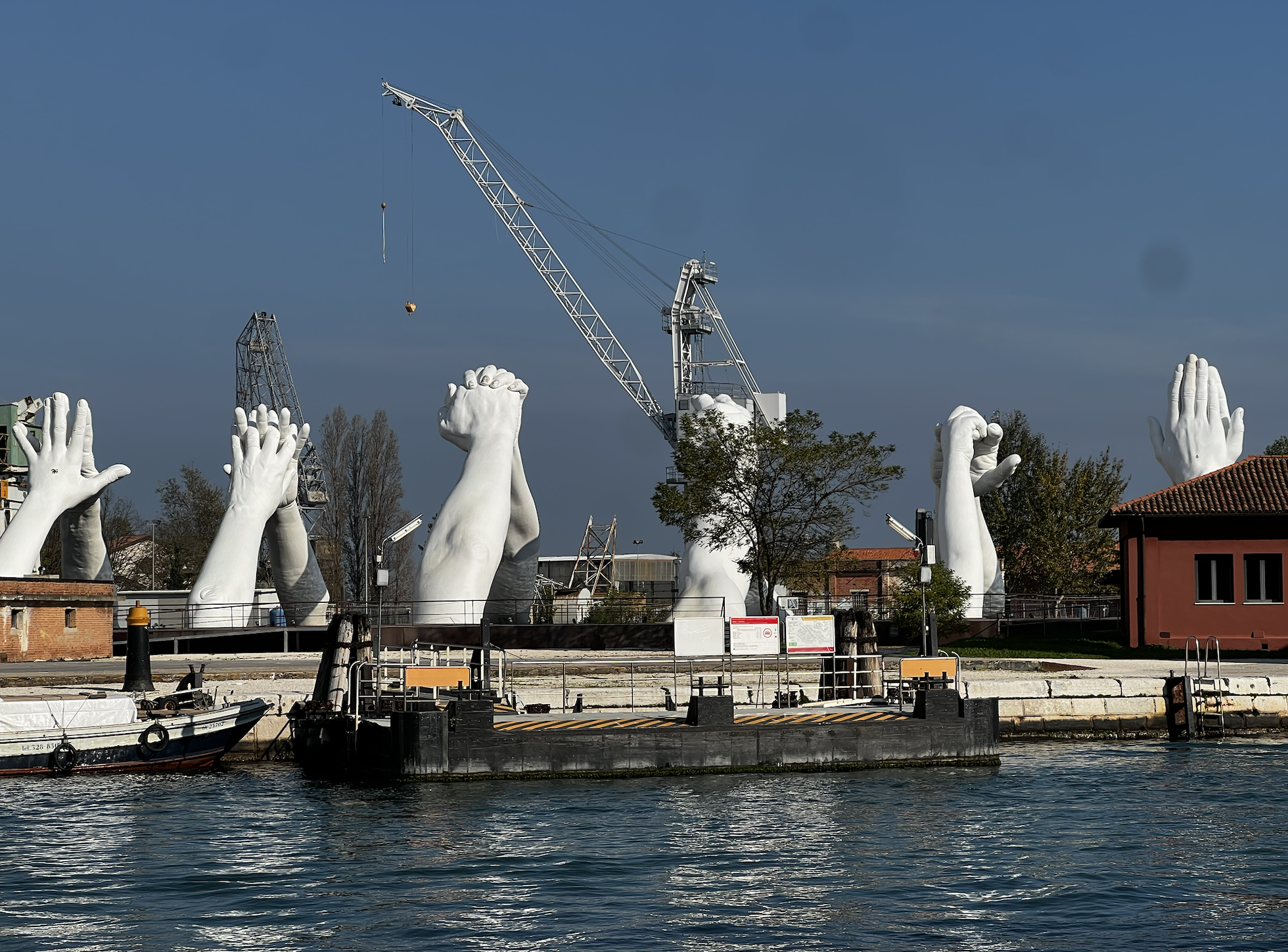
Lorenzo Quinn’s “Building Bridges” sculpture
10. What to buy (and what to avoid)
Venice is full of high street brands and tourist kiosks. But along smaller streets you will also find unique workshops, Italian leather and fashion shops, and exclusive Murano glass showrooms — these are the treasures worth bringing home.
Venice also offers excellent art book shopping. Check out the Biennale shop and don't miss the Peggy Guggenheim Collection shop.
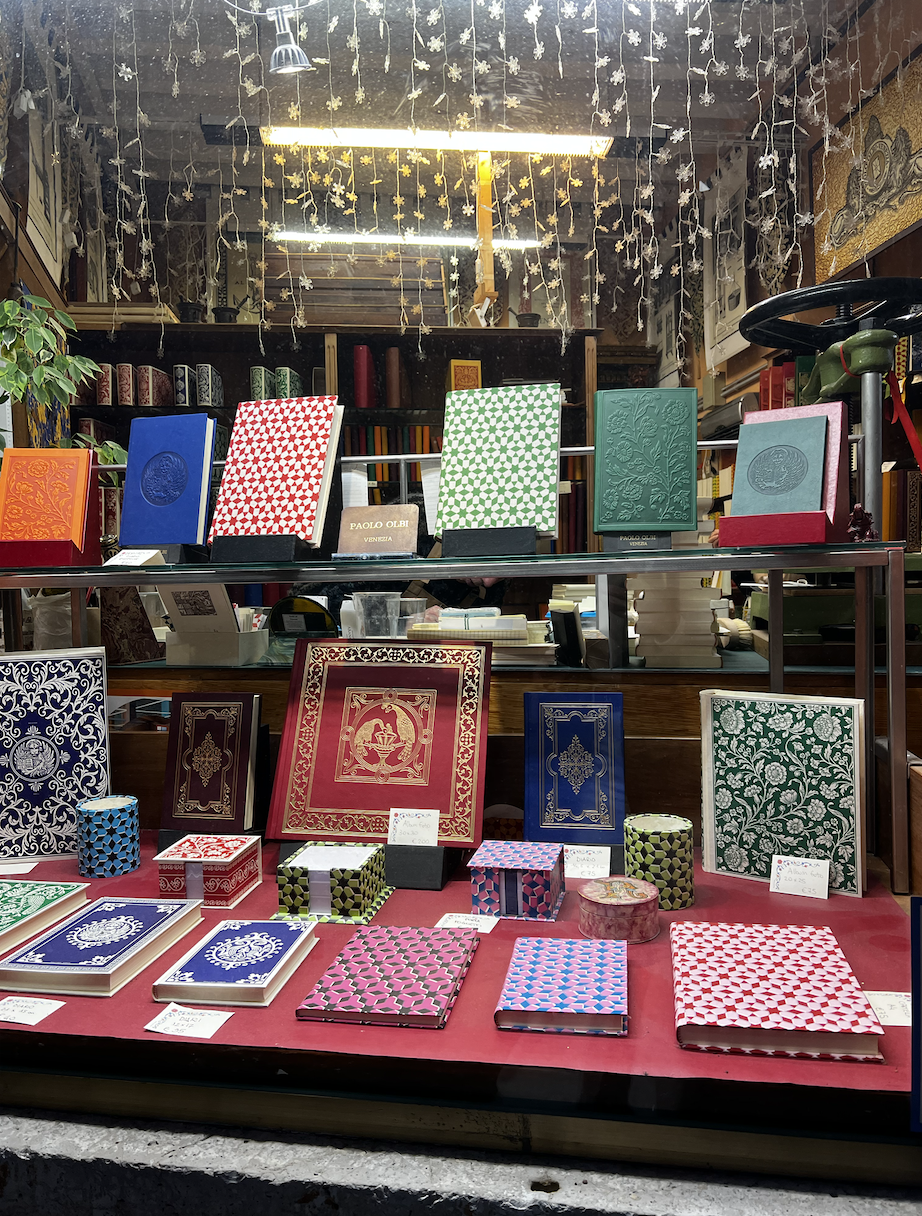
Artisanal book and paper store and workshop in Venice
Need Personalised Guidance for Venice?
If you are planning a trip to Venice and/or the Biennale on your own and would like an up to date art city guide, a personalised itinerary, exclusive experiences, or hand-picked recommendations for restaurants, events and hotels, feel free to get in touch by emailing us at team@thearttrotter.com
Want to understand the ideas behind the art you see better?
Many readers tell me that they love visiting exhibitions and discovering artists — but sometimes wish they had a clearer overview of modern art history.
To help with that, I created a free mini-guide called Foundations of Art in Three Days.
It gives you a simple introduction to the key movements, ideas, and turning points of modern art — so that the next time you walk into a museum, gallery, or exhibition, the artworks begin to make much more sense.
You can download the guide here and explore the foundations of modern art step by step:
Download Foundations of Art in Three Days
Sign up for our art updates!
Enter your email to receive information, inspiration and tips about art, art history, art events and the wonderful world of art!
By entering your name and email, you agree to receive emails from us with inspiration and tips about art and the art world. You can unsubscribe at any time by pressing Unsubscribe.